

Blog Overview
I started blogging again in July 2023 after some shifting of my job responsibilities, and my children growing up which gave me a lot more discretionary time. I do this for me, but I hope some others find my posts interesting or useful in some way.The New ChatGPT Image Generator is a Game Changer!
4/23/2026 by Alan
Post Content, Images & Videos
Testing the New ChatGPT Image Creator
Lately, one of the most interesting areas of artificial intelligence has been image generation and image editing. It is one thing to create a brand-new picture from a text prompt, but it is another thing entirely to take a real photograph of a person and place that person into a completely different scene in a believable way.
I decided to test out the new ChatGPT Image Creator for myself to see just how advanced it has become. I wanted to try something simple, practical, and fun. My goal was not just to make an AI image, but to see how well it could follow directions and improve an image step by step.
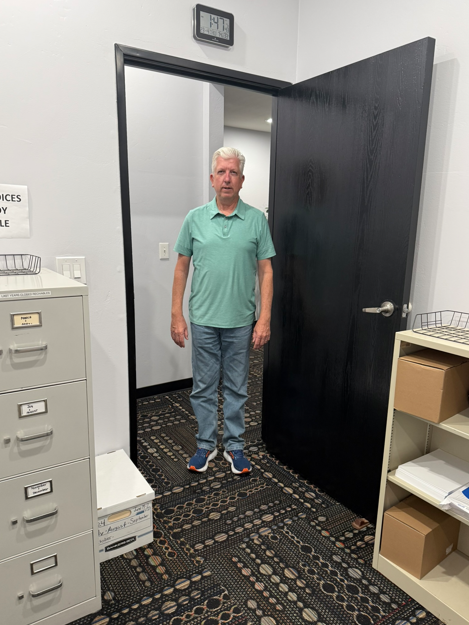
My test
First, I had my wife take a picture of me.
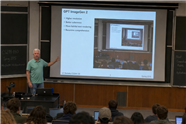
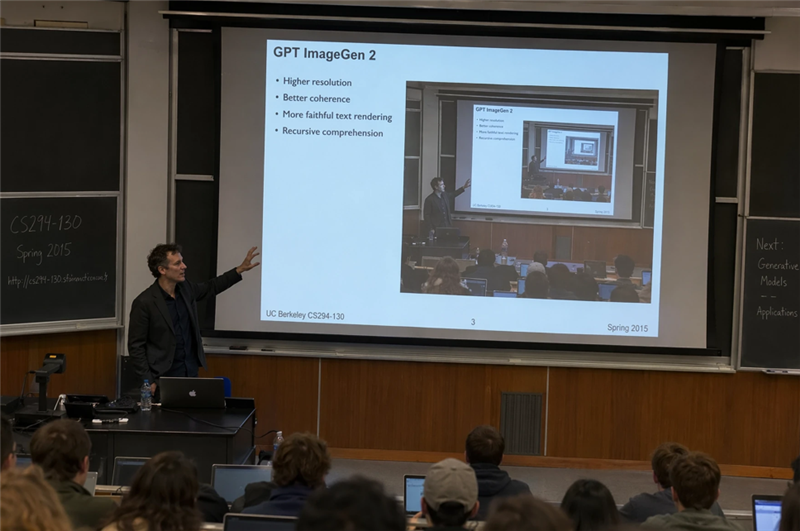
Next, I found an image of a classroom lecture scene that I thought would make a great test case.
After that, I asked ChatGPT to put me into the lecture image as the speaker.
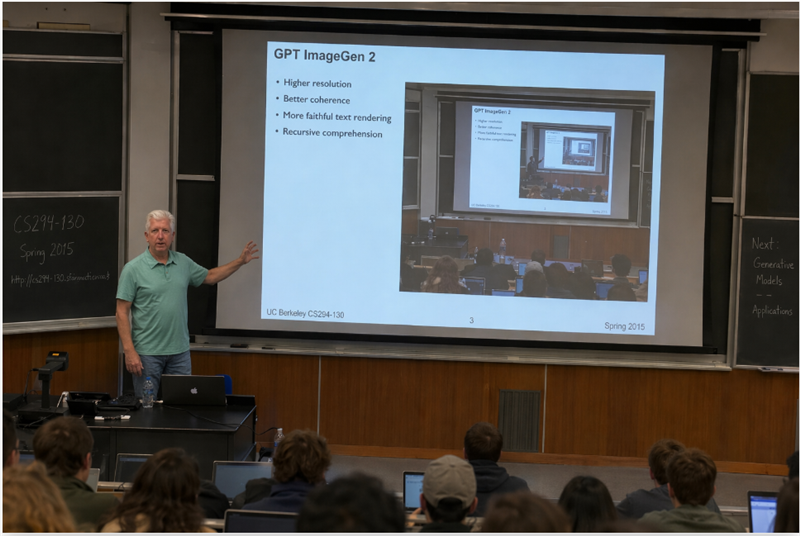
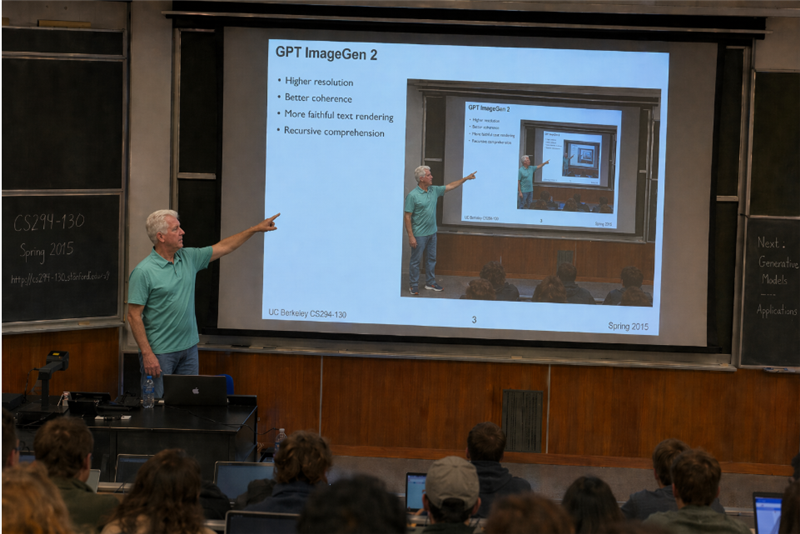
That alone was impressive, because the tool was able to combine the two ideas into one scene. But I wanted to push it a little further. In the first result, I was looking at the crowd. I wanted a more natural lecturer pose, where I was looking at the screen and pointing toward it, like I was explaining something to the class.
So I gave it another instruction and asked for that adjustment.
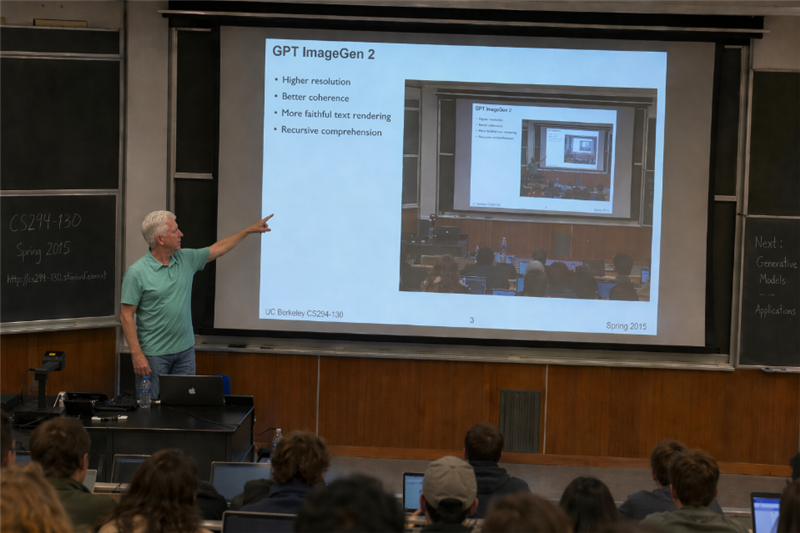
Picture In Picture in Picture
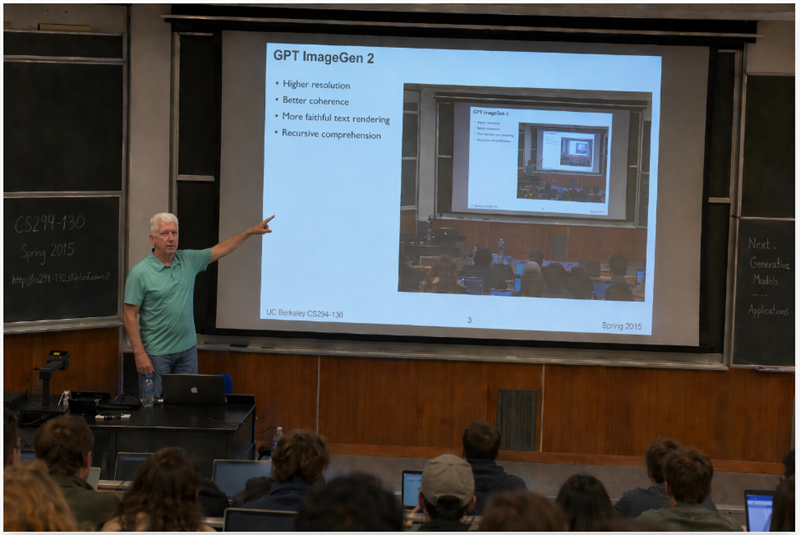
The original lecture picture had the picture-in-picture affect, so I added this last result. Here is the final version
What stood out to me
What makes this technology so interesting is not just that it can create an image. It is that it can take feedback and refine the image in the direction you want. That feels much closer to working with a designer or editor than simply pressing a button and accepting the first result.
The most interesting part of the test was seeing how quickly the image changed based on small instructions. I did not need to start over from scratch. I could simply say what I wanted changed, and the AI would generate a new version based on that request.
That is where this kind of technology starts to feel powerful. It becomes less about random image generation and more about collaboration. You can imagine using it for blog illustrations, concept images, marketing ideas, social posts, presentations, or just experimenting with creative ideas you want to see brought to life.
Why this feels like a big step forward
For years, image editing usually meant either learning design software or hiring someone who already knew how to do it. Now, we are entering a stage where a regular person can describe an idea in plain English and get surprisingly strong results in a short amount of time.
Of course, it is not perfect. You still have to guide it. You still have to notice details that look off. But even with that, the speed and flexibility are remarkable. The fact that I could go from a normal photo of myself to a staged lecture scene, and then improve the pose with another prompt, shows how far these tools have already come.
Final thoughts
This was just a simple test, but it gave me a better sense of how useful this technology could become. What impressed me most was the combination of creativity, responsiveness, and ease of use. Instead of needing technical image-editing skills, I could focus on the idea and let the tool handle most of the heavy lifting.
We are still early in this kind of AI-assisted image creation, but even now it is clear that the technology is moving fast. For bloggers, website owners, creators, and curious people in general, it opens up a lot of possibilities.
And honestly, it is just plain cool to see yourself turned into the lecturer in a scene that never actually happened.
Post Metadata
- Post Number: 343
- Year: 2026
- Slug: the-new-chatgpt-image-generator-is-a-game-changer
- Author: Alan
- Categories: Technology
- Subcategories: AI
- Tags: images
- Keywords: images, chatgpt, openai
- Language Code:
- Status: draft
- Show On Homepage:
- Date Created: 4/23/2026
- Last Edited: 4/23/2026
- Date To Show: 4/23/2026
- Last Updated: 2026-04-23 21:24:05
- Views: 0
- Likes: 0
- Dislikes: 0
- Comments: 0